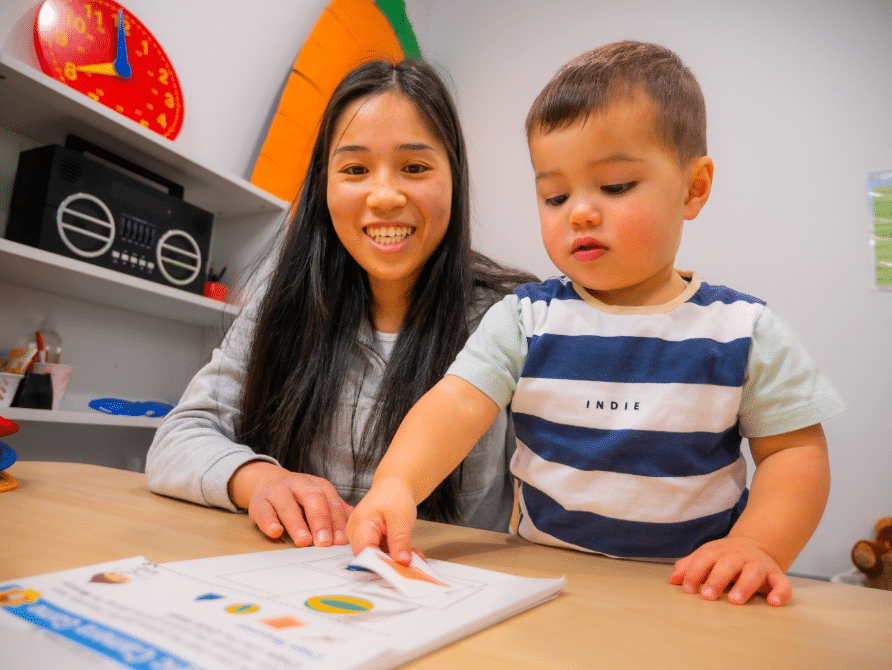





Providing children with the right educational experiences during their early years is crucial for their long-term academic and personal success. As parents, we all want our children to thrive academically and personally. The foundation for this success begins much earlier than most of us realize. Research, including insights from “The Whole-Brain Child” by Daniel J. Siegel and Tina Payne Bryson, and shows that the experiences children have in their early years significantly influence their future academic achievements. By facilitating early learning from a young age, we can set our children on a path to long-term success. Here’s why it’s crucial and how you can make a difference at home.
Why Early Learning Matters
Brain Development in the Early Years
From birth to age six, a child’s brain undergoes rapid development. During this period, the brain’s neural connections are formed at an astonishing rate, laying the groundwork for all future learning and behaviour. Early learning experiences shape these connections, making this the optimal time to build a strong foundation for cognitive, emotional, and social skills.
Here’s a brief breakdown of key developmental stages:
- Birth to Age 3: The brain undergoes the most rapid growth, forming the foundation for all future learning, behaviour, and health. This period is crucial for sensory experiences, motor skills, emotional bonding, and early cognitive skills.
- Ages 3 to 6: The brain continues to grow and develop rapidly, with significant advancements in language, social skills, and complex cognitive abilities. During this time, children also start to develop more sophisticated emotional regulation and problem-solving skills.
SHICHIDA at Home provides many activities designed to help develop your little one’s motor skills and cognitive abailites. Check out how SHICHIDA at Home can help nurture your child’s development from the comfort of your home.
The Importance of Neuroplasticity
Neuroplasticity refers to the brain’s ability to reorganize itself by forming new neural connections. In young children, this ability is at its peak. By engaging in stimulating activities, children can enhance their cognitive abilities, emotional regulation, and problem-solving skills. The earlier you start, the more significant the impact on your child’s brain development.
Long-Term Academic Success
Studies have consistently shown that children who receive high-quality early education perform better academically throughout their school years. Early learning develops critical thinking, enhances concentration, and improves memory—skills that are essential for academic success. Moreover, children who start early are more likely to develop a lifelong love for learning, which is a key predictor of future academic achievement.
How Parents Can Promote Early Learning at Home
Create a Stimulating Environment
Provide your child with a rich and varied environment filled with books, educational toys, and opportunities for exploration. Simple activities like playing with blocks, drawing, or listening to music can significantly stimulate brain development.
Read Aloud Every Day
Reading aloud to your child is one of the most effective ways to boost early literacy skills. It enhances vocabulary, comprehension, and listening skills. Make reading a daily routine, and choose books that are age-appropriate and interesting to your child.
Encourage Curiosity and Exploration
Allow your child to explore their surroundings and ask questions. Encourage their curiosity by providing answers and engaging in meaningful conversations. This not only builds knowledge but also fosters a love for learning.
Use Everyday Moments as Learning Opportunities
Incorporate learning into daily activities. Count items while grocery shopping, identify colours and shapes during playtime, or explain simple scientific concepts during a walk in the park. These moments provide practical learning experiences that reinforce academic concepts.
Promote Social and Emotional Skills
Social and emotional development is as crucial as cognitive development. Encourage your child to express their feelings, practice empathy, and develop interpersonal skills through playdates or family interactions.
SHICHIDA at Home provides games and activities designed to support holistic development. Check out how we can help nurture your child from the comfort of your home.
Limit Screen time to Educational Content Only
While it’s important to limit screen time, ensuring that the time spent on screens is dedicated to educational content can have positive effects. Online educational platforms support learning by reinforcing concepts in a fun and engaging way. It is important to balance screen time with physical play, creative activities, and outdoor exploration to provide a well-rounded experience.
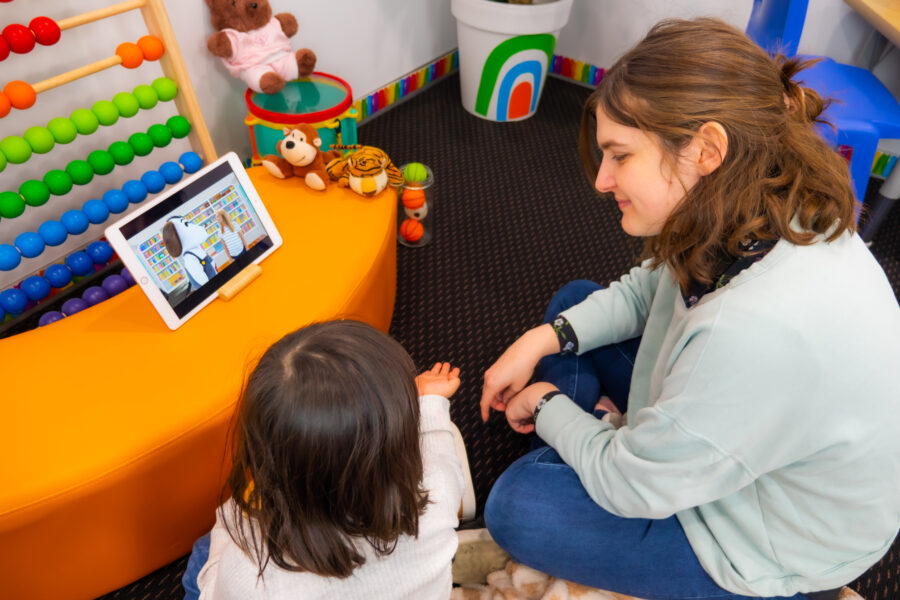
SHICHIDA at Home offers Shichida Early Learning Method educational videos and workbooks. The engaging videos are presented by a certified Shichida teacher.
The Earlier, The Better: Why Timing is Crucial
Starting early gives children a head start in developing the essential skills they need for school and life. Here’s why the earlier, the better:
- Building Confidence: Early successes build confidence. When children master new skills early, they gain the confidence to tackle more complex challenges later on.
- Forming Good Habits: Early learning helps establish positive habits and routines, such as regular reading and structured playtime, which contribute to long-term academic success.
- Maximizing Brain Plasticity: Taking advantage of the brain’s heightened plasticity in the early years ensures that children develop robust neural pathways that support learning and adaptation.
- Preventing Learning Gaps: Early interventions can help identify and address potential learning difficulties before they become significant obstacles, ensuring that children stay on track academically.
Conclusion
The impact of early learning on long-term academic success cannot be overstated. By providing a stimulating, supportive, and enriching environment from birth to age six, you can lay the groundwork for your child’s future academic achievements and personal growth. Remember, the key is to start early, be consistent, and make learning a joyful and integral part of your child’s everyday life. By doing so, you’ll not only prepare your child for school but also instil a lifelong love of learning that will serve them well throughout their lives.
SHICHIDA at Home provides many activities designed to help with your child’s development. Check out how we can help nurture your child from the comfort of your home.
FAQs
How can I create a stimulating learning environment at home?
Create a space filled with a variety of educational toys, books, and materials that encourage exploration and creativity. Rotate toys and books to keep the environment interesting. Include activities that stimulate different senses and skills, such as puzzles, building blocks, and musical instruments.
What are some effective ways to encourage my child’s curiosity?
Encourage your child to ask questions and explore their surroundings. Provide answers that are appropriate for their age and engage in discussions that expand their understanding. Activities like nature walks, science experiments, and visits to museums can also stimulate curiosity.
How can I balance screen time with other activities?
Limit screen time to quality educational content and set clear boundaries on the amount of time spent on screens. Balance this with plenty of physical play, creative activities like drawing or building, and outdoor exploration. Establish a daily routine that includes a variety of activities to ensure a well-rounded experience for your child.