



Introducing preschoolers to money concepts is a valuable skill that sets the foundation for their financial literacy. At SHICHIDA at Home, we believe in making learning enjoyable and engaging. Here are some comprehensive tips to help your child understand money basics!
Why It’s Important to Teach Your Child About Money
Basic Math Skills: Learning about money helps children develop basic math skills. Counting coins, adding up amounts, and making change are practical ways to reinforce numbers and arithmetic.
Understanding Value: Teaching money helps children understand the concept of value. They learn that different coins and notes have different worth, which is essential for making informed financial decisions in the future.
Life Skills: Knowing how to handle money is a crucial life skill. It teaches responsibility and helps children become more independent, preparing them for real-world situations.
Confidence: As children become familiar with money, they gain confidence in handling it. This self-assurance will benefit them as they grow older and encounter more complex financial tasks.
SHICHIDA at Home provides activities to support your child’s early development. Check out how we can help nurture your child from the comfort of your home.
10 Fun and Effective Tips to Teach Your Preschooler About Money
Understanding the basics of money not only equips your child with essential math skills but also instils a sense of responsibility and independence. By incorporating fun and interactive methods, you can turn money lessons into enjoyable activities that your preschooler will look forward to. Let’s dive into some effective strategies to teach your child about money!
1. IntroduceCoins and Notes
Start by showing your child different coins and notes. Explain their names and values. Let them touch and feel each one to build familiarity. This sensory experience helps them recognize and remember the different types of currency.
Example: Create a simple chart with pictures of each coin and note alongside their value. This visual aid can help your child match real money to the images, reinforcing their learning. Alternatively, use flashcards with images of coins and notes. Show the flashcards and give the value of each one for a few days. Once your child is familiar with the flashcards, ask them to identify the currency and its value. If they are uncertain, give the value for a few more days before asking them again.
Learning Outcome: Familiarity with currency, recognition of different coins and notes, and an understanding of their values.
2. Play Money Games
Use games to make learning about money fun. Board games like “Monopoly Junior” or “The Allowance Game” are great for teaching children how to handle money, make change, and understand the value of different amounts.
Example: Create a game of “Coin Bingo.” Create bingo cards with pictures of different coins. As you call out the coin types, your child can place markers on the matching coins on their card. The first to complete a row wins a small prize like a sticker to add to a sticker chart on the wall.
Learning Outcome: Counting skills, recognition of different coins, and understanding the value of money.
3. Counting Coins
Encourage your child to count coins. Begin with simple tasks, like counting how many 10-cent coins make one dollar. Gradually increase the complexity as they become more confident.
Example: Create a coin-counting game. Use a jar of mixed coins and ask your child to sort and count them. Reward them with simple stickers or stamps for completing the task – these can go on the money chart from Tip 1 so they can see their progress and effort!
Learning Outcome: Counting, addition, and understanding the concept of accumulation.
4. Sorting Activities
Sort coins into groups based on their denomination. This helps children recognize and differentiate between various coins. You can turn this into a game by timing how fast they can sort a pile of mixed coins.
Example: Use muffin tins or small bowls to sort coins. Label each compartment with a different denomination and have your child place the correct coins in each one.
Learning Outcome: Recognition of different coin types and organizational skills.
5. Role-Playing
Set up role-playing scenarios where your child can practice using money. Pretend play is a fantastic way for children to learn concepts. Create a pretend shop where your child can “buy” items using play money. This helps them practice counting and understanding value in a playful setting. You could also play “restaurant” and let them pay for their meal with play money. This reinforces counting and making change. You could also set up a mini grocery store at home. Price each item with play money and let your child “shop” for groceries. They will learn to count money and make decisions based on their budget.
Example: Another idea is to play “bank” where your child deposits and withdraws play money from their account. This teaches them about banking and the concept of saving. Alternatively, you could create a toy store and make turns being the shopper and shopkeeper.
Learning Outcome: Practical application of money skills and basic banking concepts, basic arithmetic skills, decision-making, and understanding the value of money.
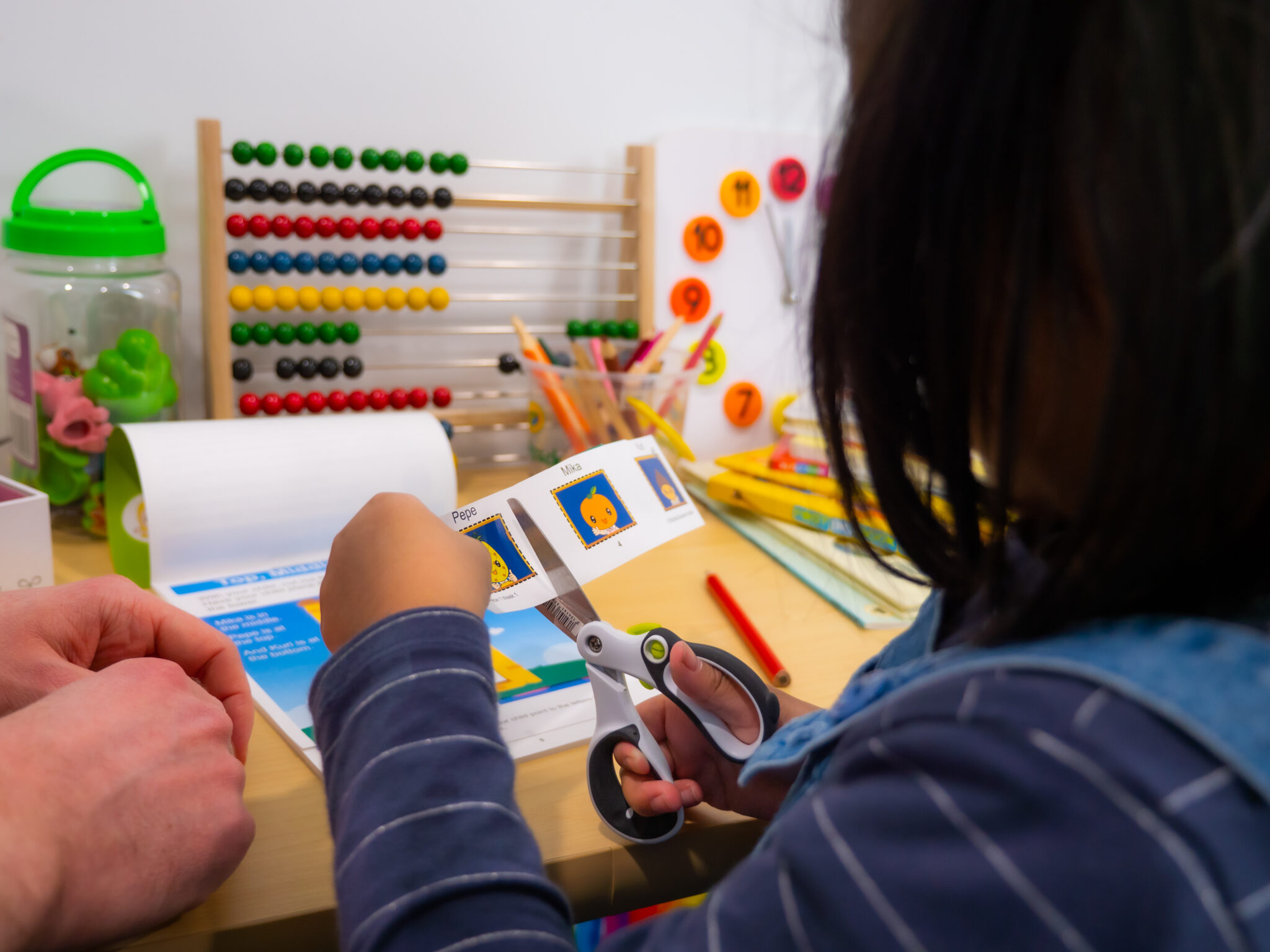
SHICHIDA at Home provides many activities designed to help develop your little one’s understanding of key skills. Check out how SHICHIDA at Home can help nurture your child’s development.
6. Use Real-Life Situations
Involve your child in real-life money transactions. At the store, let them hand over money to the cashier or count out the exact change if they are confident. These experiences make learning practical and relevant.
Example: During a shopping trip, give your child a small amount of money and let them pick out a snack. They will learn to make choices and understand the cost of items.
Learning Outcome: Real-world money handling, decision-making, and understanding value.
7. Teach Through Stories
Read books about money and saving to your child. Stories can make abstract concepts more relatable and easier to understand.
Example: Choose books like “Bunny Money” by Rosemary Wells or “The Berenstain Bears’ Trouble with Money” by Stan and Jan Berenstain. Discuss the stories afterwards and relate them to real-life situations.
Learning Outcome: Understanding financial concepts through storytelling and enhanced listening skills.
8. Create a Money Jar
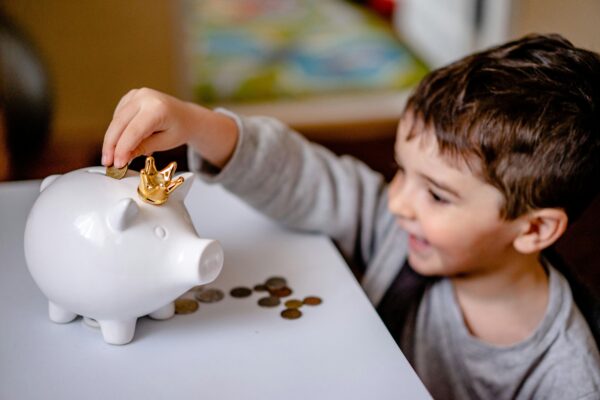
Start a money jar where your child can save coins. Explain that saving money allows them to buy something special in the future. This introduces the concept of saving and delayed gratification.
Example: Decorate a clear jar and label it with a goal, like “Toy Fund” or “Special Item.” Encourage your child to add coins regularly and watch their savings grow.
Learning Outcome: Saving habits, goal-setting, and delayed gratification.
9. Sing Money Songs
Children love music, so incorporate songs about money. Simple tunes about counting coins or buying items can make learning enjoyable and memorable.
Example: Sing songs like “Five Little Pennies” or create your own money-themed tune using a popular early learning song. Use hand motions or props to make the songs interactive.
Learning Outcome: Memory retention, counting skills, and musical engagement.
10. Be Patient and Consistent
Every child learns at their own pace. Be patient and provide consistent reinforcement. Celebrate their successes and gently correct any mistakes to keep them motivated.
Example: Create a reward chart for milestones, such as correctly identifying all coins or counting to a certain amount. Offer small rewards to keep them encouraged.
Learning Outcome: Persistence, positive reinforcement, and confidence-building.
By using these engaging and interactive methods, you can help your preschooler develop a strong understanding of money and its value.
SHICHIDA at Home provides games and activities designed to support holistic development. Check out how we can help nurture your child from the comfort of your home.
Home-based Early Education Program
At SHICHIDA at Home, we offer a fun learning program covering essential skills and more, designed for early learners aged 1-5. Our engaging methods ensure your child gains important abilities while enjoying the process. We provide educational videos, workbooks, and songs using the renowned Shichida Learning Method. Join us today and make early learning a delightful journey for your child!