



In early childhood, learning about colours is a fundamental and exciting experience that lays the foundation for a child’s cognitive and sensory development. Understanding colours goes beyond simple recognition; it involves grasping the concepts of shading, contrasts, primary and secondary colours, and even the emotional impact of warm and cold colours. This comprehensive guide will provide parents, caregivers, and educators with a structured approach to teaching young children, all about colours.
When Do Babies Start Seeing Colours?
Parents often wonder, “When do newborns see colours?” or “Can babies see colour right away?” At birth, newborns can only see in shades of black, white, and grey, as their colour vision is not fully developed. In fact, newborns see colours in a very limited capacity during their first few weeks of life.
Around the age of 2 to 3 months, infants start to distinguish between primary colours like red, blue, and green. By the time they are 4 to 5 months old, their vision sharpens, and they can see a broader range of colours more clearly. This is when you can begin introducing colourful toys and books to help them recognise and enjoy the colourful world around them.

Key Milestones for Babies’ Colour Vision
- 0 to 1 month: Newborns primarily see in black and white with some light detection.
- 2 to 3 months: Babies start seeing basic colours like red, followed by blue and green.
- 4 to 6 months: Babies develop the ability to see the full spectrum of colours, almost like adults.
So, when can babies see colour? By around 6 months, they can fully perceive the range of colours, and you can start introducing more engaging visual learning activities.
Stimulating Baby’s Colour Vision
Once newborns can see colours, it’s a great time to introduce visually stimulating toys and books. Here are a few ways to engage your baby’s developing colour vision:
- High-contrast visuals: Early on, black-and-white patterns and bold shapes can capture your baby’s attention.
- Bright, primary-colored toys: Introduce toys that are red, blue, and yellow to enhance their colour recognition as their vision develops.
- Interactive play: Use colourful blocks or soft toys to playfully encourage your baby to reach for and focus on different colours.
As your infant grows, you’ll notice them reacting more to the colours around them, which opens the door to teaching colour names and recognition through engaging play.
Introducing Colours: The Basics of Colour Recognition
For children between 1 to 2 years old, the journey begins with basic colour recognition. At this stage, start with the most common colours like red, blue, yellow, and green. Introduce these colours through everyday objects, toys, and playful activities. For instance, ask your child to find a “red ball” or “blue car” during playtime.
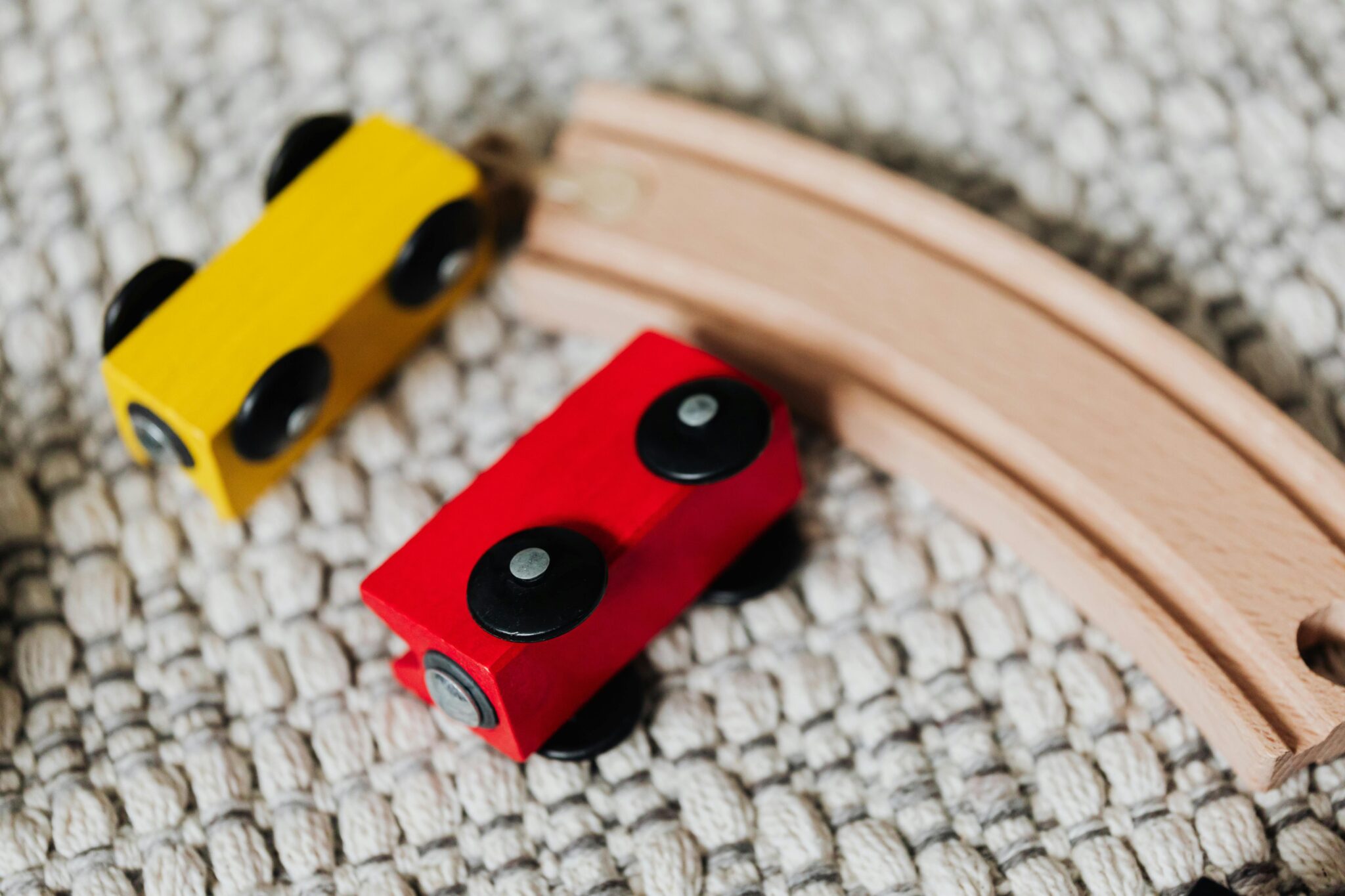
Try the following simple colour activities for toddlers:
- Use Colorful Books and Toys: Picture books that focus on colours can be very engaging for children.
- Incorporate Color Songs and Rhymes: Songs about colours can help children remember and identify colours.
- Interactive Games: Simple games like “I Spy” with colours or sorting games with coloured balls or blocks can enhance learning.
Teaching Colour Shades
As children grow, around ages 2 to 3, introduce the concept of shading and variations within a colour. Shading involves understanding light and dark variations of the same colour, such as light blue versus dark blue.
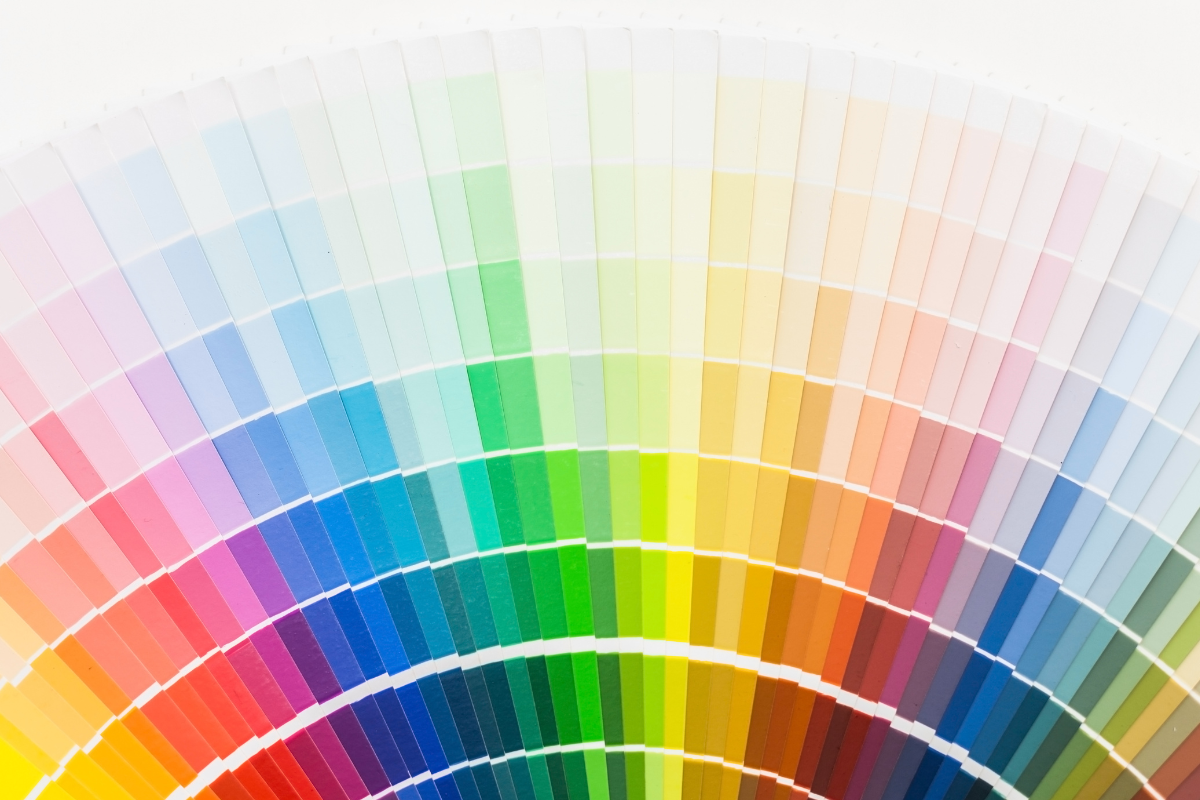
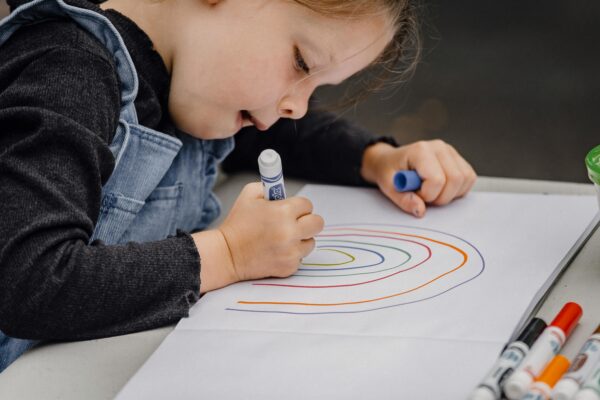
- Rainbow Activities: Use an image of a rainbow to show a spectrum of colours and talk about how each colour transitions into the next.
- Colouring Activities: Encourage children to use crayons, coloured pencils, and paints to experiment with shading.
- Nature Walks: Point out the different shades of green in trees or blue in the sky, making learning interactive and contextual.
- Sensory Bins and Water Play: Create sensory bins filled with coloured rice or water beads, or use coloured water in play trays to explore different shades and colour mixing. These activities enhance sensory development and colour learning.
- Colour Sorting Activities for Toddlers: Help your toddler explore colour shades with a fun sorting game. Gather a variety of objects in different shades of the same colour (e.g., light blue and dark blue). Provide your child with sorting trays or baskets and encourage them to group the objects by their shades. This simple activity not only teaches toddlers about colour variations but also improves their fine motor skills and categorization abilities.
Teaching Colour Opposites and Contrasts
Around ages 3 to 4, children are ready to learn about colour opposites (complementary colours) and contrasts. Understanding opposites helps in learning about visual contrast, which is crucial in art and design.

- Primary and Secondary Colors: Teach children about primary colours (red, blue, yellow) that can be mixed to create secondary colours (green, orange, purple). This is a fun way to introduce basic colour theory.
- Colour Mixing Activities: Create a simple colour wheel with your child using paints or coloured paper to show how colours relate to each other.
- Sorting Activities Using Tools: Use tongs or tweezers to sort coloured pom-poms or buttons into matching cups or containers. This combines learning about colour contrasts with fine motor skill development.
Teaching Warm and Cold Colours
Once children grasp contrasts, they’re ready to explore the emotional effects of colours – by ages 4 to 5, children can start to understand the emotional and psychological effects of colours. Children tend to show positive reactions to bright colours like pink, blue or red) and negative emotions to dark colours like brown, black or grey. (Boyatzis, 1994)
Warm colours (red, orange, yellow) are often associated with feelings of warmth, happiness, and energy, while cold colours (blue, green, purple) are linked to calmness, relaxation, and feelings of coldness.

- Try these colour activities for preschoolers:
- Emotion-Based Art Activities: Ask children to draw or paint using colours that match a feeling or mood, such as “paint what makes you happy” using warm colours.
- Sorting Warm and Cold Colors: Create a sorting game where children categorize colours as warm or cold.
- Connecting Colors to Real-Life Scenarios: Use phrases like “yellow like the sun” for happiness or “blue like the sky” for calmness to help children relate colours to emotions and real-life situations.
How To Create Secondary And Tertiary Colours
Start by playing colour matching activities, and colour sorting activities – differentiating between primary (yellow, blue, red) and secondary (green, purple, orange) colours. You’re your child understands the difference, show them how to mix secondary colours using paint. Here’s how you can create secondary and eventually tertiary colours using primary colours:

Creating Secondary Colours:
Secondary colours are made by mixing two primary colours in equal amounts.
Green – Mix blue and yellow in equal parts.
Orange – Mix red and yellow in equal parts.
Purple – Mix red and blue in equal parts.
Creating Tertiary Colours:
Tertiary colours are made by mixing a primary colour with a secondary colour next to it on the colour wheel. The mixture will result in a colour that’s in between the two. You can mix them in a 2:1 ratio, where the primary colour is more dominant.
Red-Orange – Mix red (primary) with orange (secondary).
Yellow-Orange – Mix yellow (primary) with orange (secondary).
Yellow-Green – Mix yellow (primary) with green (secondary).
Blue-Green – Mix blue (primary) with green (secondary).
Blue-Purple – Mix blue (primary) with purple (secondary).
Red-Purple – Mix red (primary) with purple (secondary).
Applying Colour Knowledge Through Creative Play
The best way for children to internalize their understanding of colours is through creative play and practical application focusing on activities about colours:

Craft Projects
Engage children in craft projects that involve colour mixing, creating colorful collages, or painting with watercolors.
DIY Colour Wheel
Let your child create their own colour wheel using paints or coloured paper to reinforce learning about primary, secondary, and tertiary colours. This sensory experience will be memorable for your little one. It will get messy, but this is a practical way to learn about colour mixing and how colours relate to each other.
Colour-Themed Days
Dedicate a day to a particular colour, dressing in that colour, eating foods of that colour, and engaging in activities that focus on it.
Scavenger Hunts
Organize scavenger hunts where children find objects of specific colours both indoors and outdoors, enhancing their observational skills.
Science Experiments
Incorporate fun experiments like mixing colours with milk and soap to show how colours can interact and change. This sensory activity combines learning about colours with basic science concepts.
Growing Crystals
Try growing salt or sugar crystals with added food colouring to teach children about colours and chemical reactions, developing a deeper interest in science.
Flashcards
Using flashcards to teach colours is a fun and effective way to help children quickly recognise and remember a variety of colours, including colour shades.
Teaching Kids Colour Through Repetition
Repetition not only helps solidify understanding but also builds confidence as children begin to recognise colours more easily. Over time, this repetition strengthens neural connections in the brain, making colour recognition a natural part of their thinking process.
Additionally, repeating colours in various contexts helps children apply their knowledge in different situations, further enhancing their learning and retention.
Use everyday moments as opportunities to reinforce colour learning alongside sensory development—whether it’s sorting laundry by colour, identifying colours in nature, or playing with colour-coded toys.
Encouraging Colour Curiosity and Exploration
Finally, the most effective learning comes when children are curious and motivated. Encourage them to ask questions, explore their surroundings, and engage in activities that spark their interest. Remember, the goal is to make learning about colours a fun, interactive, and meaningful experience.
Awareness of Colour Blindness: Early Identification and Support
It’s essential for parents to be aware that some children may have difficulty distinguishing certain colours due to colour blindness. Be attentive to signs such as consistently mixing up colours or difficulty recognizing specific colours.
You can perform simple colour vision tests at home or consult a pediatrician if you suspect any issues. Early identification can help tailor the learning experience for your child.
Teaching Colour to Kids
Teaching colours to children is about helping them see the world in new ways, stimulating their senses, and building the foundation for future learning in art, science, and emotional development.
By using a variety of methods—from simple colour recognition to understanding warm and cold colours—parents and educators can provide a rich, engaging, and colourful early learning experience.

Ready to take your child’s learning to the next level? With SHICHIDA at Home, teaching colours, numbers, and phonics becomes fun and engaging. Start your FREE TRIAL today and enjoy quality learning time with your little one! Try a FREE TRIAL today!