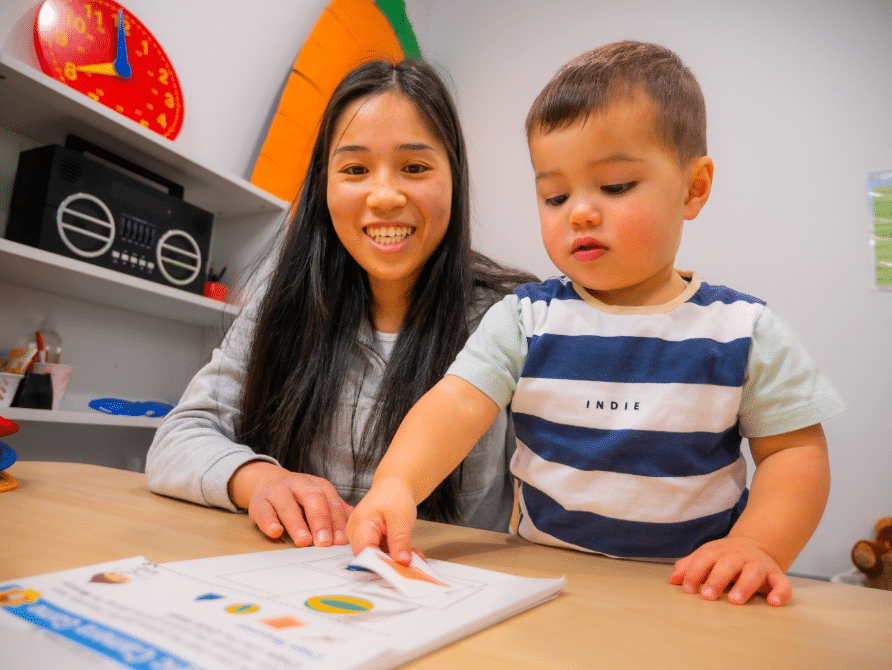





Early childhood education is critical in shaping a child’s cognitive, emotional, and social development. Two renowned methodologies in this field are the Shichida Method and Forest Schools. Both emphasize the importance of early brain development but differ significantly in their philosophies and techniques. This article explores the key differences and similarities between these two methodologies, helping parents make informed decisions.
The Shichida Method

Background and Philosophy
The Shichida Method, established by Professor Makoto Shichida in 1958, is rooted in extensive research into early childhood brain development. This method emphasizes comprehensive brain training, engaging both the right and left hemispheres to enhance creativity, intuition, memory, and logical thinking. Shichida’s philosophy claims that every child has vast potential that can be unlocked through early and appropriate stimulation and nurturing.
Type of Early Learning Method
Whole-Brain Training: The Shichida Method is categorized as a whole-brain training program that emphasizes the development of both the right and left hemispheres of the brain through structured and varied activities.
Age Range
- Shichida Method Program: Caters to children from 6 months to 9 years old, with intake cutoff age at 4 1/2 years old.
- SHICHIDA at Home Program: Designed for children aged 1 to 5 years.
Key Components
- Right-Brain Training: Activities like flashcards, speed reading, and memory games are designed to stimulate the right hemisphere, enhancing creativity, intuition, and photographic memory.
- Left-Brain Training: Logical thinking and language skills are developed through activities such as puzzles, phonics exercises, and math games.
- Memory Development: Techniques like memory linking and rapid image flashing are employed to improve photographic memory and recall abilities.
- Emotional Development: The method emphasizes emotional bonding and positive reinforcement to build a child’s confidence and motivation.
- Flashcards: Used as a right-brain activity to increase vocabulary, general knowledge, math, and phonic knowledge, as well as to improve memory.
- Sensory Stimulation: Incorporates songs, games, and activities that stimulate the senses to improve sensory processing.
- Parental Involvement: Parents are integral to the Shichida Method, participating actively in activities and creating a nurturing home environment.
Benefits of the Shichida Method
- Enhanced memory and concentration.
- Improved problem-solving skills.
- Balanced development of both brain hemispheres.
- Strong emotional intelligence and social skills.
- Increased confidence and motivation.
- Engaging and fun learning experience.
- Strengthened parent-child bond.
Program Structure
- Shichida Centres: Offer one teacher-guided class per week, ensuring consistent and structured learning experiences.
- SHICHIDA at Home: Provides a flexible online learning platform for ages 1 to 5, including videos, songs, printable workbooks, and parental guides.
Forest Schools
Background and Philosophy
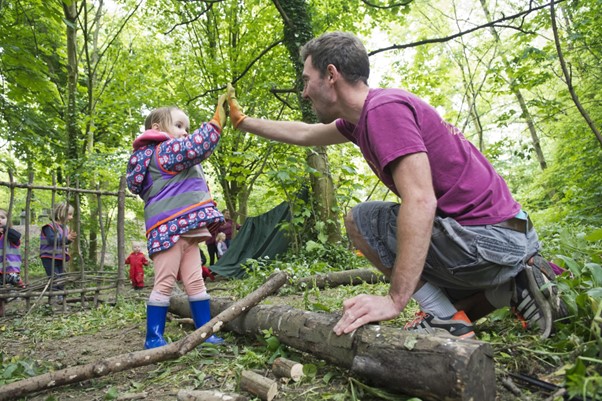
Forest Schools, originating in Scandinavia in the 1950s, focus on outdoor, experiential learning. The philosophy emphasizes child-led exploration and learning in a natural environment, promoting holistic development through interaction with nature.
Type of Early Learning Method
Nature-Based Learning: Forest Schools are categorized as a nature-based learning approach that prioritizes outdoor activities and experiential learning to develop physical, emotional, and cognitive skills.
Age Range
Forest Schools cater to children of various ages, typically from preschool to primary school age, encouraging lifelong engagement with the natural world.
Key Components
- Outdoor Exploration: Children spend the majority of their time outdoors, exploring and interacting with the natural environment.
- Child-Led Learning: Activities are guided by the children’s interests, fostering independence and intrinsic motivation.
- Risk Management: Encourages safe risk-taking to build confidence, resilience, and problem-solving skills.
- Environmental Education: Emphasizes understanding and respect for the natural world, promoting environmental stewardship.
- Physical Development: Activities like climbing, balancing, and building enhance gross and fine motor skills.
- Social Skills: Collaborative activities and group play foster social interaction, communication, and teamwork.
- Emotional Well-Being: Nature’s calming influence and opportunities for reflection support emotional health and well-being.
Benefits of Forest Schools
- Enhanced physical fitness and motor skills.
- Improved social and communication skills.
- Increased resilience and problem-solving abilities.
- Strong connection with nature and environmental awareness.
- Boosted emotional well-being and mental health.
- Encouragement of curiosity and a love for learning.
Program Structure
- Forest School Sessions: Typically held weekly or bi-weekly, with children engaging in outdoor activities and explorations in natural settings.
- Integration with Traditional Education: Some Forest Schools operate as standalone programs, while others integrate with traditional early childhood education settings.
Comparing Shichida and Forest Schools
Philosophical Approach
- Shichida: Focuses on balanced brain development and integrates emotional and social growth through structured activities and parental involvement, aiming to improve both IQ and EQ.
- Forest Schools: Emphasizes holistic development through nature-based learning, promoting physical, emotional, and cognitive growth through outdoor exploration and child-led activities.
Curriculum Structure
- Shichida: Adaptable to the child’s pace, using various activities and games to stimulate different development areas, including both right and left-brain training.
- Forest Schools: Flexible and child-led, with a focus on experiential learning and interaction with the natural environment.
Parental Involvement
- Shichida: Parents are heavily involved in the learning process, playing an important role in class and creating a supportive learning environment at home.
- Forest Schools: Parents support their children’s outdoor learning experiences and may participate in some activities, but the emphasis is on child-led exploration.
Learning Environment
- Shichida: Learning occurs both at home and in centres, promoting a holistic educational experience through structured activities and parental involvement.
- Forest Schools: Primarily outdoor-based, with a focus on natural settings that encourage exploration and interaction with the environment.
In-Depth Look: Core Techniques
Right-Brain Stimulation vs. Outdoor Exploration
- Shichida: Utilizes flashcards with rapid image flashing and memory linking to enhance photographic memory. Techniques like deep breathing, visualization, and imaginative play stimulate creativity and intuition. Core key learning areas like math, literacy, and fine motor skills are addressed through games and activities.
- Forest Schools: Emphasizes outdoor exploration and hands-on activities that connect children with nature, fostering curiosity, independence, and environmental awareness.
Memory Development vs. Practical Life Skills
- Shichida: Focuses on working memory training with techniques aimed at improving short-term and long-term memory, using rapid image recall, linking stories to images, and mnemonic devices.
- Forest Schools: Encourages safe risk-taking to build resilience, problem-solving skills, and confidence through activities like climbing, balancing, and navigating natural obstacles.
Emotional and Social Growth
- Shichida: Emphasizes emotional development and social skills through activities designed to build confidence, empathy, and communication skills. Parental involvement reinforces emotional bonds.
- Forest Schools: Promotes social interaction and teamwork through group activities and collaborative play, while nature’s calming influence supports emotional well-being and mental health.
Practical Applications for Parents
Shichida Method at Home
Parents can implement the Shichida Method at home through various activities that promote right-brain stimulation and emotional bonding:
- Flashcard Sessions: Regular sessions with flashcards to stimulate visual memory and the whole brain connection. Include varied topics to cover math, phonics, colours, shapes, art, geography, and more.
- Memory Games: Games that involve recalling sequences or the placement of images or numbers.
- Math and Phonics Games: Games that involve counting and matching numbers or identifying and matching letters.
- Positive Reinforcement: Using praise for effort and encouragement to build your child’s confidence and motivation.
- Interactive Play: Pretend play and storytelling to enhance creativity and social skills.
- Deep Breathing Exercises: Teaching relaxing deep breathing exercises to help with focus and calming down.
- Educational Songs: Incorporating educational songs during playtime to enhance the understanding of key skills.
Forest Schools at Home
Parents can implement Forest School principles at home through outdoor activities that promote exploration and connection with nature:
- Nature Walks: Regular walks in natural settings, encouraging observation and exploration of the environment.
- Outdoor Play: Providing opportunities for climbing, balancing, and other physical activities that build motor skills and confidence.
- Nature Crafts: Creating art and craft projects using natural materials like leaves, stones, and twigs.
- Gardening: Involving children in planting and caring for a garden, fostering responsibility and a connection to the natural world.
- Environmental Education: Teaching children about local flora and fauna, conservation, and sustainable practices.
Accessibility of Programs
SHICHIDA at Home
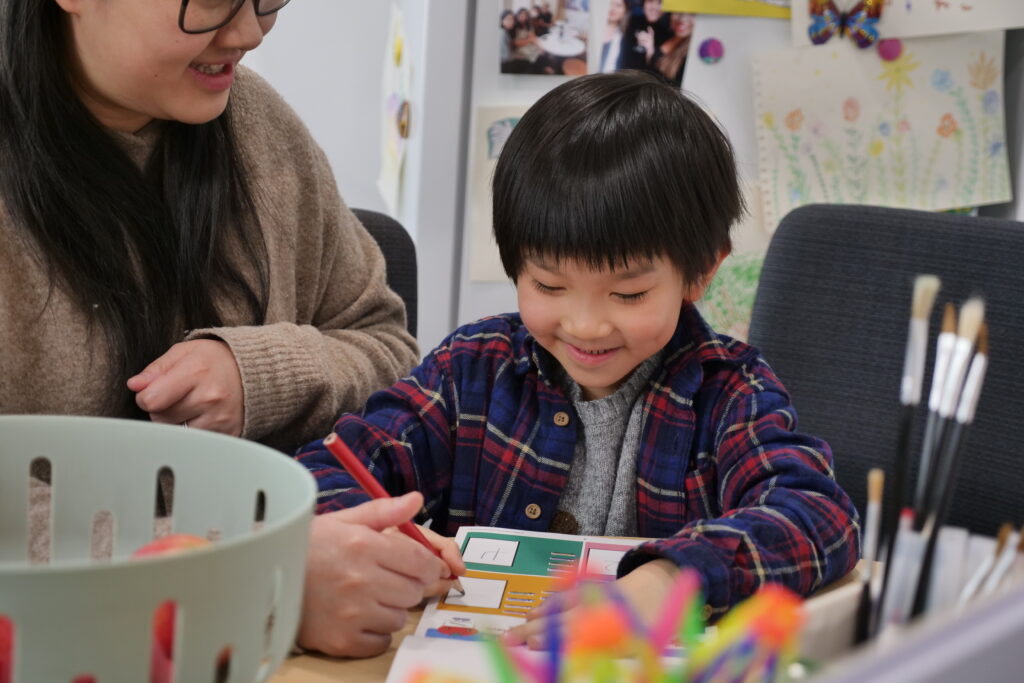
For parents who cannot access Shichida classes in person, the Shichida Method offers an educational platform called SHICHIDA at Home. This online program provides videos, songs, printable workbooks, and parental guides to replicate the classroom experience at home.
Forest School Resources
Forest School programs are available in various locations, with resources including outdoor activity guides, training courses for educators, and community events that support nature-based learning.
Conclusion
Both the Shichida and Forest School methods offer unique and effective approaches to early childhood education, focusing on harnessing the brain’s potential during its most formative years.
- Shichida: Ideal for parents seeking a balanced approach that includes cognitive, emotional, and social development, with significant emphasis on parental involvement.
- Forest School: Suited for those looking for a nature-based approach that promotes holistic development through outdoor exploration and child-led learning.
Ultimately, the best choice depends on the individual needs and learning style of the child, as well as the parents’ involvement and educational philosophy. By understanding the core principles and benefits of each method, parents can make a well-informed decision to support their child’s early development journey during these crucial years.
SHICHIDA at Home provides many activities designed to help develop your child’s cognitive abilities. Try your FREE TRIAL today!