




Teaching kids the difference between the letters ‘b’ and ‘d’ can be a common challenge for parents of preschoolers. Letter confusion, particularly with ‘b’ and ‘d’ reversal, is a normal part of early learning as children develop reading and writing skills. In this article, we’ll explore why kids often confuse ‘b’ and ‘d’, when it might be time to seek help and practical tips for teaching letter recognition at home. With the right approach, you can help your child confidently distinguish between these commonly mixed-up letters.
Why Do Kids Confuse ‘b’ and ‘d’?
Understanding why children mix up ‘b’ and ‘d’ is the first step in teaching the difference:
- Visual Similarity: The letters ‘b’ and ‘d’ are mirror images of each other, which can be confusing for young learners still developing their visual processing skills.
- Developing Directionality Skills: Preschoolers are in the early stages of learning directionality, including concepts like left and right, which plays a role in correct letter formation.
- Brain Development: The brain is still developing pathways necessary for recognizing and differentiating letters, which is why ‘b’ and ‘d’ reversal is common among early readers.
- Limited Exposure: If a child hasn’t had much practice with reading or writing, they may struggle to internalize the correct way to write and recognize these letters.
- Letter Patterns: Children’s letter confusion is often influenced by the natural patterns they observe in their environment.
“Children were more likely to reverse letter forms that face left, such as 〈d〉 and 〈J〉, than forms that face right, such as 〈b〉 and 〈C〉. This asymmetry reflects statistical learning: Children implicitly learn that the right-facing pattern is more typical of Latin letters.” (Treiman et al., 2014)
- Visual Processing Difficulties: While less common, persistent letter confusion can sometimes indicate visual processing difficulties, which may require further investigation.
When to Seek Help for Letter Confusion
While mixing up ‘b’ and ‘d’ is typical for preschoolers, there are times when it may be beneficial to consult a specialist:
Persisting Confusion Beyond Age 7: If the confusion continues past age 7, it may be time to seek guidance from an educational professional.
Frequent Reversal of Other Letters or Numbers: Consistent confusion with other letters or numbers, such as ‘p’ and ‘q’, may signal the need for additional support.
Broader Reading and Writing Challenges: If your child struggles with reading and writing in general, it might indicate underlying issues worth exploring.
Practical Tips for Teaching the Difference Between ‘b’ and ‘d’
Here are practical tips to help your child learn to stop mixing up ‘b’ and ‘d’:
Use Visual and Tactile Learning Methods:
Create visual cues, like the “bed” trick, where the word resembles a bed with ‘b’ as the headboard and ‘d’ as the footboard. This helps reinforce letter recognition visually.

Letter Sorting Games:
Use letter cards or magnetic letters and ask your child to sort ‘b’s and ‘d’s into separate piles. Sorting games are an effective way to teach the difference between letters.
Interactive Letter Recognition Activities:
Use hands-on activities like tracing letters in sand or shaving cream. These tactile experiences can help preschoolers differentiate between ‘b’ and ‘d’.

Air Writing Practice:
Encourage your child to practice air writing, using large arm movements to form ‘b’ and ‘d’. This gross motor activity supports letter formation through movement.
Personalized Rhymes and Songs:
Create a rhyme or song to help your child remember the difference between ‘b’ and ‘d’. For example, “Start with the bat and add the ball, that’s a ‘b’—big and tall!”
Story-Based Learning:
Develop a story where ‘b’ and ‘d’ are characters with distinct personalities. Storytelling makes learning fun and helps embed the correct letter forms in your child’s memory.
Short, Consistent Practice Sessions:
Instead of long sessions, practice for 5-10 minutes daily. This consistent exposure will help reinforce correct letter recognition without overwhelming your child.
Positive Reinforcement and Encouragement:
Celebrate your child’s progress, even small wins like correctly identifying a single letter. Positive feedback boosts confidence and keeps motivation high.
Common Questions from Parents About Letter Mastery
Can screen time or educational apps help reinforce the difference between ‘b’ and ‘d’?
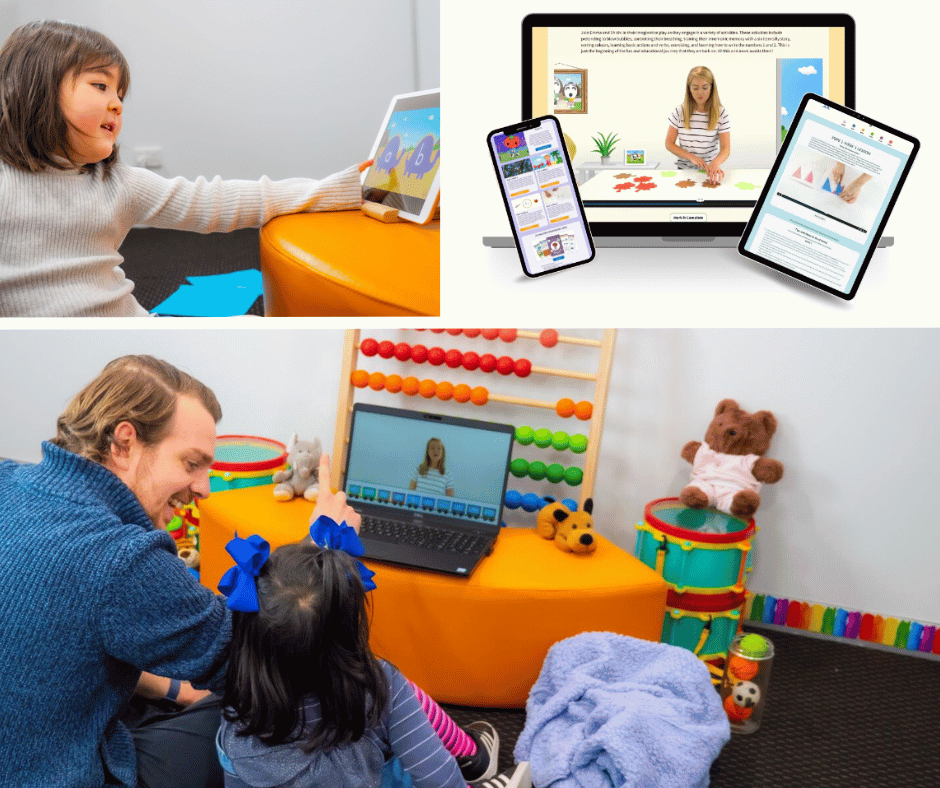
Yes, apps and digital educational learning platforms can help reinforce letter recognition skills, including differentiating ‘b’ and ‘d’. Look for apps that offer engaging activities, such as tracing letters on the screen, interactive games, and auditory reinforcement. These tools can make learning more engaging and provide additional letter recognition practice. However, it’s essential to balance screen time with hands-on activities and ensure that app use is age-appropriate.
What can I do if my child gets frustrated or discouraged during practice?
It’s normal for preschoolers to feel frustrated when learning new skills, such as letter recognition. Here are some tips to maintain motivation:
Keep Practice Fun: Incorporate games, songs, or playful activities that make learning feel like playtime.
Break It Down: Focus on mastering one letter at a time. For instance, practice ‘b’ until your child feels confident before introducing ‘d’.
Use Guided Learning: There are guided learning aids available that offer a range of engaging activities, songs, and visual aids that can help reinforce learning in a supportive environment. This popular multi-sensory approach makes it easier for children to grasp tricky concepts like letter differentiation.
Take Breaks When Needed: If your child is frustrated, take a short break and return to the activity later. Short, frequent practice sessions are more effective and less overwhelming.
Helping Your Child Master ‘b’ and ‘d’ Recognition
Teaching kids the difference between ‘b’ and ‘d’ can be a gradual process, but with the right combination of patience, practical activities, and engaging resources, your child can overcome letter confusion. From hands-on letter recognition games to visual and tactile learning methods, these strategies make learning both fun and effective. Incorporate consistent, short practice sessions and consider using educational tools to support your preschooler’s journey in mastering letter recognition. With dedication and the right guidance, your child will develop strong reading and writing skills, setting a solid foundation for their academic future.