


Early childhood education plays a pivotal role in shaping a child’s cognitive, emotional, and social development. For parents seeking both mainstream and alternative educational options that focus on holistic and right-brain development, several innovative methods are available. This guide provides an overview of six prominent early learning methodologies—Shichida, Heguru, Waldorf, Doman, Kumon, Montessori, and Forest Schools—alongside traditional early learning approaches, each offering unique ways to foster a child’s potential during their formative years.
The Shichida Method
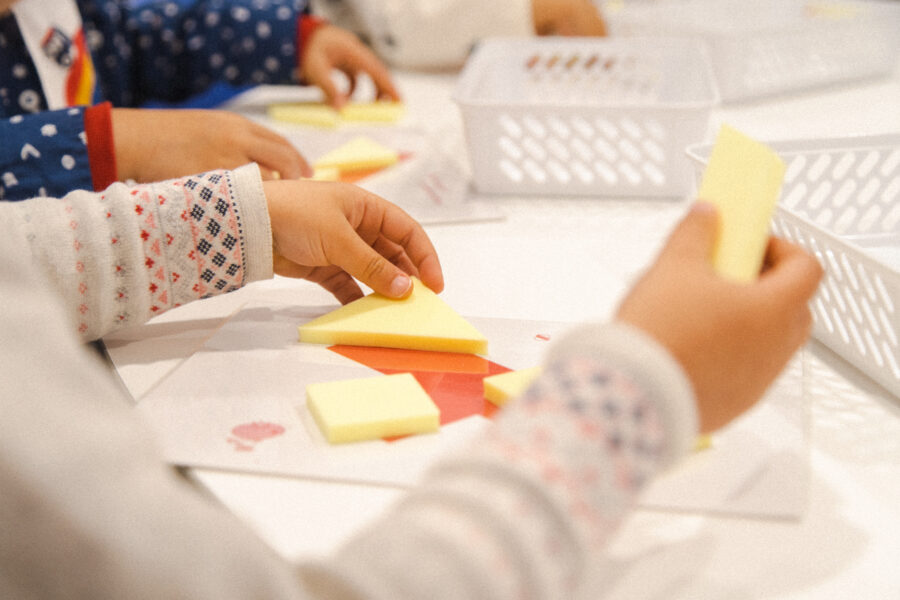
Philosophy: Established by Professor Makoto Shichida in 1958, the Shichida Method emphasizes whole-brain training. It engages both the right and left hemispheres to enhance creativity, intuition, memory, and logical thinking. Shichida’s philosophy posits that every child has vast potential that can be unlocked through early and appropriate stimulation and nurturing.
Age Range:
Shichida Method Centre Program: 6 months to 9 years old, with intake cutoff age at 4.5 years old.
SHICHIDA at Home: Digital alternative. Designed for children aged 1 to 5 years.
Key Components:
- Right-Brain Training: Flashcards, speed reading, and memory games.
- Left-Brain Training: Puzzles, phonics exercises, and math games.
- Memory Development: Techniques like memory linking and rapid image flashing.
- Emotional Development: Emphasizes emotional bonding and positive reinforcement.
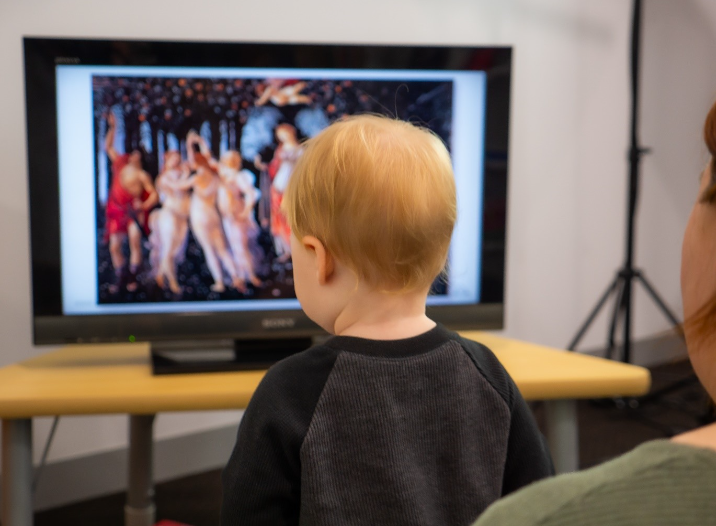
- Flashcards: Develop memory, image processing, vocabulary and general knowledge.
- Parental Involvement: Parents actively participate in activities.
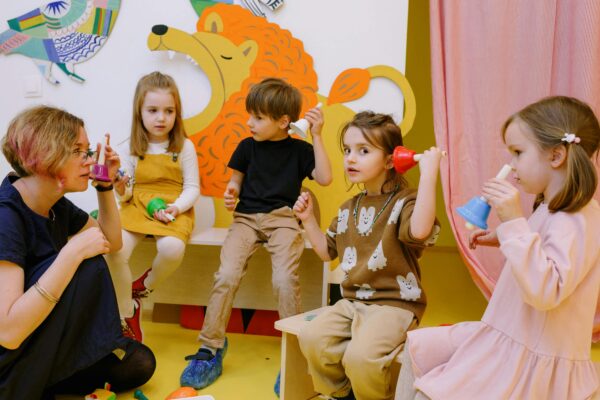
- Small Class Sizes: Ensuring a learning environment that is not overwhelming, with one parent per child.
Benefits:
- Enhanced memory and concentration.
- Improved creativity and problem-solving skills.
- Balanced brain development.
- Strong emotional intelligence, communication and social skills.
- Older kids learn science, debating, research and leadership skills.
Access:
- Shichida Centres: Offer one teacher-guided class per week.
- SHICHIDA at Home: Provides a flexible online learning platform for ages 1 to 5, including videos, songs, printable workbooks, and parental guides.

Heguru Method
Philosophy: Developed by Hirotada and Ruiko Henmi in the 1980s, the Heguru Method focuses primarily on right-brain development. It aims to harness the natural abilities of the right brain through high-speed learning and visualization techniques before these abilities diminish with age.

Age Range:
Typically caters to children from 6 months to 12 years old.
Key Components:
- High-Speed Learning: Flashcards and mental arithmetic.
- Visualization Techniques: Quick recall of images to enhance photographic memory.
- Holistic Approach: Combines cognitive training with physical exercises and moral education.
Benefits:
- Accelerated learning capabilities.
- Strong photographic memory.
- Enhanced creativity and imagination.
Access:
Heguru Centres: Primarily centre-based with structured classroom sessions.
Waldorf Education
Philosophy: Initiated by Rudolf Steiner in 1919, Waldorf Education is based on anthroposophy, integrating spiritual science into education. It aims to develop the whole child—head, heart, and hands—through a balanced curriculum that promotes intellectual, artistic, and practical skills.

Age Range:
Waldorf programs typically start from preschool (around age 3) and continue through high school, covering ages 3 to 18 years.
Key Components:
- Imaginative Play: Encourages creativity through free play and artistic activities.
- Rhythms and Routines: Consistent daily and weekly rhythms.
- Nature and Outdoor Activities: Emphasizes a strong connection to nature.
Benefits:
- Promotes creativity and imagination.
- Develops emotional and social intelligence.
- Fosters a deep connection with nature.
Access:
- Waldorf Schools: Operate as full-time schools with comprehensive curricula.
- Waldorf Online Resources: E-books, webinars, and virtual classes support parents in creating a Waldorf-inspired home environment.
Doman Method
Philosophy: Developed by Glenn Doman in the 1950s, the Doman Method focuses on early brain development through physical and intellectual stimulation. It was originally designed for brain-injured children but adapted for healthy children to maximize their developmental potential.

Age Range:
Typically applied to infants and young children from birth to around six years old.
Key Components:
- Physical Development: Crawling, creeping, and other motor skills activities.
- Flashcard Learning: Teaching reading, math, and general knowledge.
- Sensory Stimulation: Activities to improve sensory processing.
Benefits:
- Enhanced physical and motor skills.
- Accelerated reading and math abilities.
- Improved sensory processing.
Access:
Parents use structured activities and materials at home with support from resources provided by The Institutes for the Achievement of Human Potential.
Kumon Method
Philosophy: Developed by Toru Kumon in the 1950s, the Kumon Method emphasizes self-learning and mastery of basic academic skills. It focuses on developing strong foundations in mathematics and reading through daily practice and incremental learning.

Age Range:
Suitable for children from preschool to high school, with programs tailored to different age groups and skill levels.
Key Components:
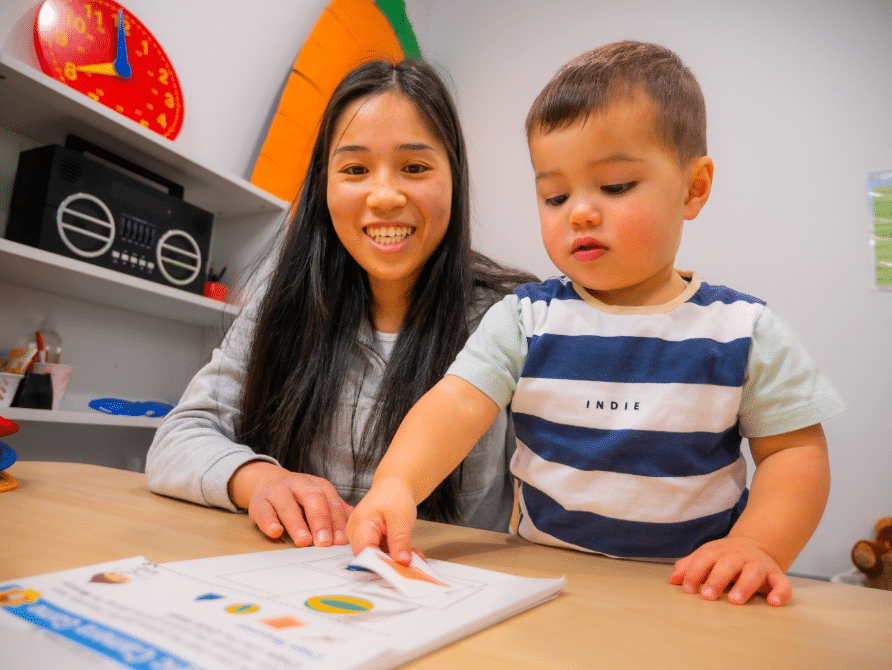
- Mathematics and Reading: Step-by-step worksheets.
- Incremental Learning: Building on previous knowledge to ensure mastery.
- Self-Learning: Encourages independent work and self-discipline.
Benefits:
- Strong foundation in math and reading.
- Development of independent learning habits.
- Improved concentration and discipline.
Access:
- Kumon Centres: Regular classes where students complete worksheets under instructor guidance.
- Home-Based Learning: Parents can facilitate Kumon practice at home.
Montessori Method
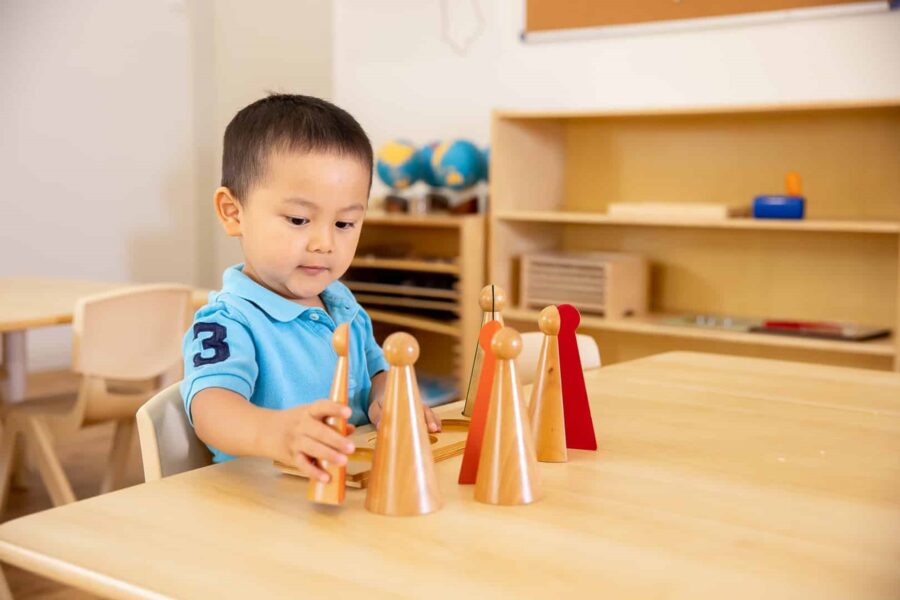
Philosophy: Developed by Dr. Maria Montessori in the early 1900s, the Montessori Method emphasizes child-centred learning, independence, and respect for a child’s natural psychological development. It encourages learning through self-directed activity, hands-on learning, and collaborative play.
Age Range:
Typically applied to children from birth through high school, with a primary focus on early childhood from birth to 6 years old.
Key Components:
- Prepared Environment: Designed to facilitate independent learning.
- Montessori Materials: Hands-on learning tools.
- Mixed-Age Classrooms: Fosters peer learning and social development.
Benefits:
- Encourages independence and self-discipline.
- Develops practical life skills.
- Promotes social skills through mixed-age interactions.
Access:
Montessori Schools: Offer a structured environment for self-directed learning.
Montessori at home: Parents can incorporate Montessori principles and materials into the home environment.
Forest Schools
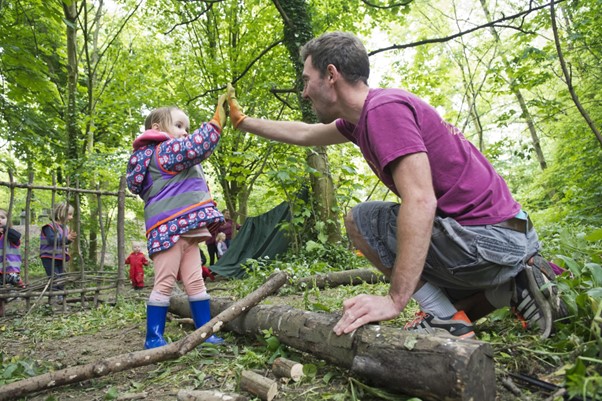
Philosophy: Originating in Scandinavia in the 1950s, Forest Schools emphasize outdoor, experiential learning. The philosophy promotes holistic development through child-led exploration and learning in a natural environment.
Age Range:
Cater to children of various ages, typically from preschool to primary school age.
Key Components:
- Outdoor Exploration: Majority of time spent outdoors.
- Child-Led Learning: Activities guided by children’s interests.
- Risk Management: Safe risk-taking to build confidence and resilience.
Benefits:
- Enhanced physical fitness and motor skills.
- Improved social and communication skills.
- Strong connection with nature and environmental awareness.
Access:
- Forest School Sessions: Typically held weekly or bi-weekly in natural settings.
- Integration with Traditional Education: Some programs operate as standalone, while others integrate with traditional settings.
Mainstream Traditional Early Learning
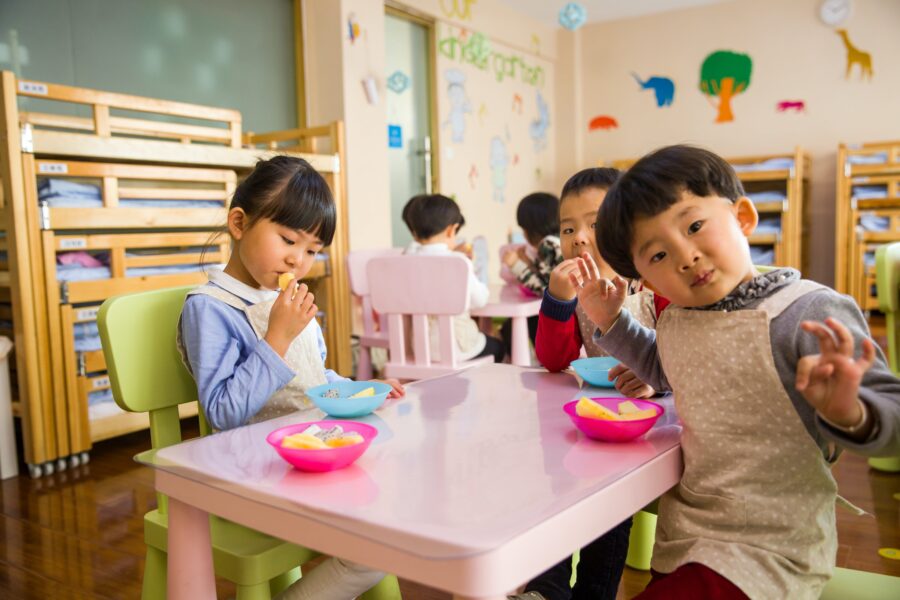
Philosophy: Traditional early learning focuses on a structured, teacher-led approach to education. It emphasizes foundational academic skills, socialization, and readiness for formal schooling.
Age Range:
Typically applied to children from preschool (around age 3) to elementary school age.
Key Components:
- Structured Curriculum: Follows a set curriculum focusing on foundational literacy, numeracy, and social skills.
- Teacher-Led Instruction: Educators guide learning with a focus on meeting educational standards.
- Socialization: Emphasizes group activities and play to develop social skills.
Benefits:
- Prepares children for formal schooling.
- Develops foundational academic skills.
- Promotes social interaction and cooperation.
Access:
Preschools and Kindergartens: Widely available through public and private institutions.
Conclusion
Choosing the right early learning method for your child involves understanding the unique philosophies and techniques of each approach.
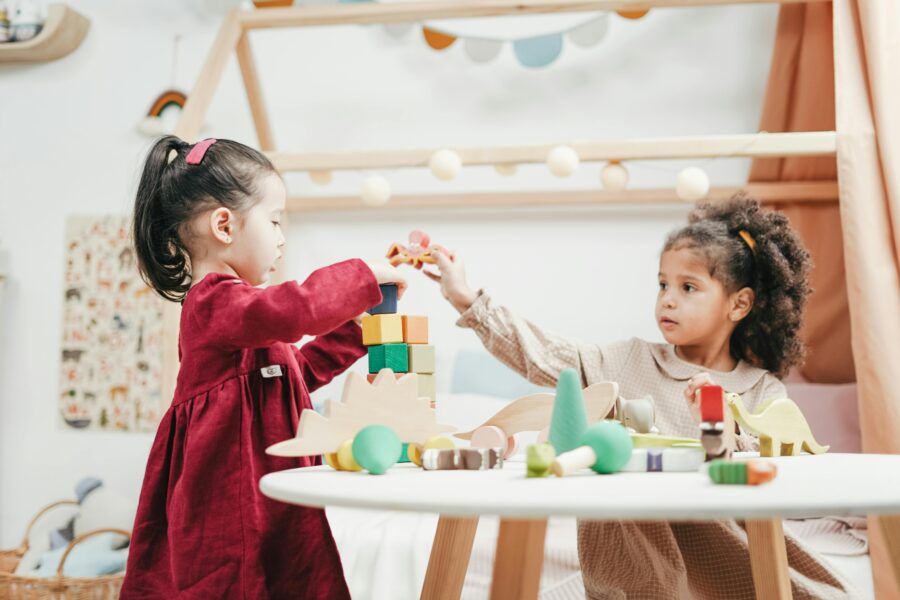
The Shichida and Heguru methods focus on right-brain development, emphasizing creativity and memory enhancement. Waldorf and Montessori offer holistic and child-centered education, fostering imagination and independence. Doman and Kumon provide structured, skill-based learning, emphasizing physical development and academic mastery, respectively. Forest Schools promote holistic growth through nature-based learning, while mainstream traditional early learning prepares children for formal schooling with a structured, teacher-led approach.
Ultimately, the best choice depends on your child’s individual needs, learning style, and your educational philosophy. By exploring these mainstream and alternative methods, you can make an informed decision to support your child’s cognitive, emotional, and social development during their crucial early years.
Parents may even consider using a combination of learning methods to tailor their early years learning journey to their individual needs.