



Teaching young children about time is an essential aspect of their early education. Understanding time not only lays the groundwork for more advanced mathematical concepts but also has practical applications in everyday life. Preschoolers are naturally curious, and with the right guidance and engaging activities, they can develop a solid understanding of time. In this comprehensive guide, we will explore various strategies and activities to teach preschoolers about this important concept.
Teaching Time
Teaching a child about time encompasses more than just reading a clock; it also includes understanding calendars, days of the week, months, and the concept of past, present, and future events.
Understanding time can be challenging for young children, but it can be introduced in a fun and interactive way. Here are some steps to help your child grasp the concept of time:
1. Daily Routine Awareness
Start by making your child aware of their daily routine. Use terms like morning, afternoon, and evening. You can create a visual schedule with pictures to represent different times of the day and their corresponding activities.
2. Using Clocks
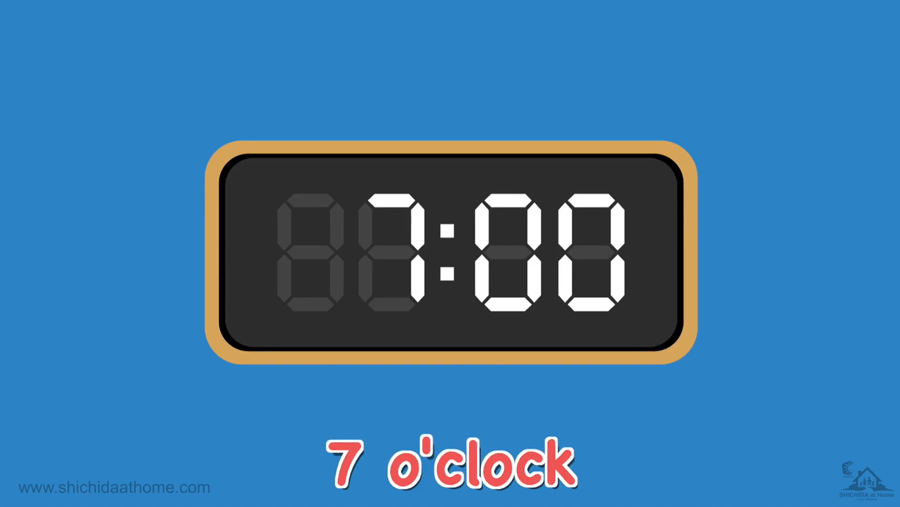
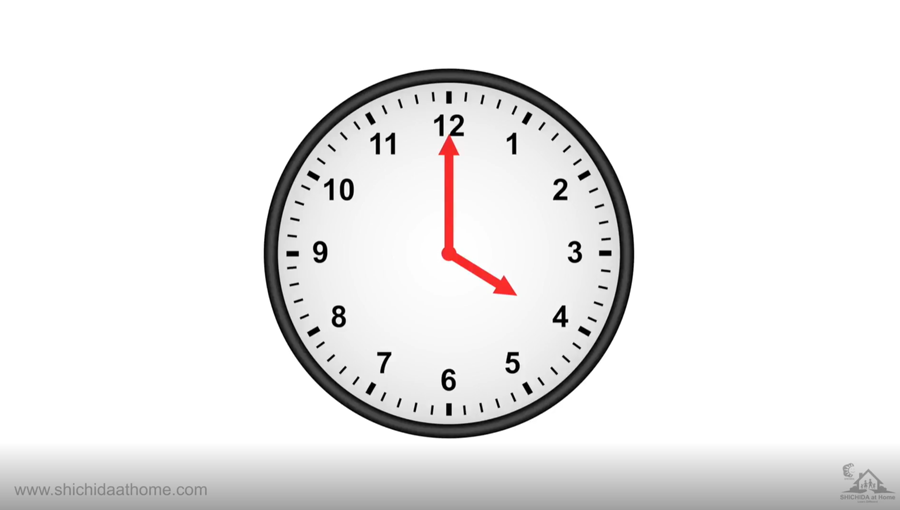
Introduce your child to both analogue and digital clocks. Begin with simple concepts like identifying the hour and half-hour marks. Use a toy clock to help them move the hands and understand how time progresses.
Extra tip: Make a paper clock, and let your child help you decorate it.
3. Time-Telling Games
Play games that involve telling time. For example, set a timer for a short duration and have your child guess how long it will take for the timer to go off. This helps them develop an intuitive sense of how time passes.
4. Story Time
Use storybooks that emphasize the concept of time. Stories with sequences of events can help children understand the progression of time and the order of activities.
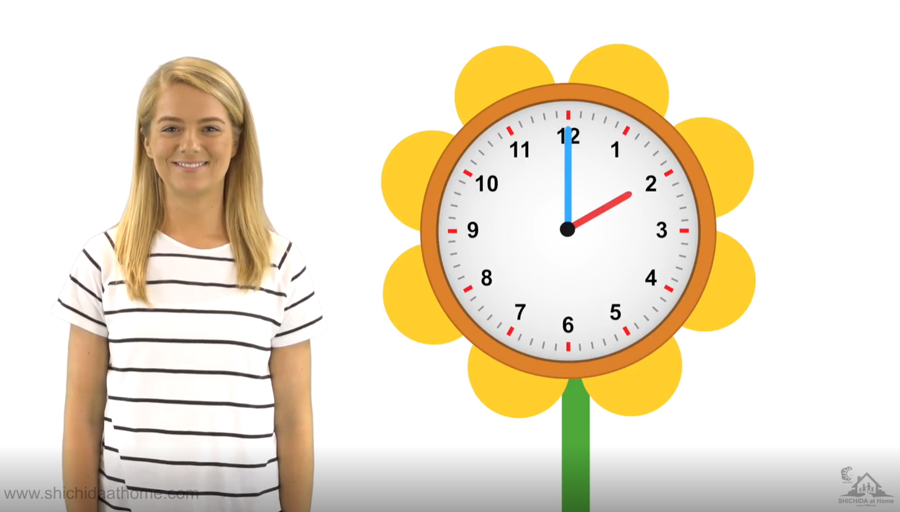
SHICHIDA at Home provides activities that help your child explore numbers and measurement, including time-telling exercises. Check out how SHICHIDA at Home can help develop your child’s cognitive ability from the comfort of your home.
Teaching Calendars and the Concept of Days, Weeks, and Months
Understanding time also includes learning about calendars and the sequence of days, weeks, and months. Here are some activities to help your child grasp these concepts:
Days of the Week
Teach your child the days of the week through songs and rhymes. Create a weekly calendar with activities planned for each day. This helps them understand the order of the days and anticipate upcoming events.
Months of the Year
Use songs and visual aids to teach the months of the year. Discuss seasonal changes and holidays associated with each month to make learning more engaging.
Daily Calendar Time
Start each day by reviewing the calendar. Discuss the day, date, and any special events planned. This routine helps your child understand the passage of time and look forward to future activities.
Seasonal Activities
Plan activities that correlate with different seasons. Discuss how time passes throughout the year and the changes that occur in each season. This helps children understand the concept of longer periods and seasonal cycles.
Practical Activities to Learn About Time
Incorporating the concept of time into daily life helps reinforce learning. Here are some practical examples:
1. Morning and Bedtime Routines
Use daily routines to teach time. For example, set specific times for waking up, meals, and bedtime. Use a clock to show these times and help your child understand their daily schedule. When it is time for breakfast, or taking a bath, point to the clock and say “look, the clock shows 6:00, it is time to take a bath” and so on.
2. Timers and Alarms
Use timers and alarms for different activities. Set a timer for playtime, homework, or TV time. This helps children understand the concept of duration and the passage of time.
3. Cooking and Baking
Cooking offers opportunities to teach time. Use timers to measure cooking times and explain the importance of timing in recipes. This reinforces the concept of measuring time accurately.
4. Play Dates and Activities
Schedule play dates and activities at specific times. Use a calendar to mark these events and help your child understand planning and time management. This also provides a visual representation of time passing over a period of days.
5. Daily Conversations
Include discussions about time in your daily conversations. Ask questions like, “What time do we have breakfast?” or “How many minutes until bedtime?” This encourages your child to think about time regularly.
6. Outdoor Activities
Use outdoor activities to teach time. For example, during a walk, you can discuss how long it takes to walk to the park or how many minutes you spend playing on the swings. This helps children understand time in the context of activities they enjoy.
7. Visual Timers
Utilize visual timers, such as sand timers or digital countdown clocks, during activities. Watching the sand flow or the numbers count down can help children visualize the passage of time.
8. Bath Time and Clean-Up Time
Use bath time and clean-up time as opportunities to teach time. Set a timer for how long your child should spend in the bath or how many minutes they have to clean up their toys. This makes these routine activities more structured and time-oriented.
SHICHIDA at Home provides activities that help your child explore numbers and practical life skills like time management. Check out how SHICHIDA at Home can help develop your child’s cognitive ability from the comfort of your home, all while facilitating that all-important bond between parent and child.
Specific Time Activities for Different Ages
Teaching time to preschoolers can be tailored to different age groups to ensure the activities are age-appropriate and engaging.
For 3-Year-Olds:
- Daily Routine Charts: Use simple daily routine charts with pictures to help them understand different times of the day.
- Short Duration Timers: Introduce short duration timers (1-2 minutes) for activities like brushing teeth or tidying up toys.
- Basic Clock Reading: Begin with recognizing the positions of the hands on an analogue clock, focusing on the hour hand.
For 4-Year-Olds:
- Time-Related Stories: Read books that incorporate the concept of time and discuss the sequence of events.
- Longer Duration Timers: Use timers for longer activities, such as 5-10 minute play sessions, to help them grasp longer durations.
- Half-Hour Marks: Teach them to identify half-hour marks on the clock and understand the difference between “half past” and “on the hour.”
For 5-Year-Olds:
- Daily Planning: Involve them in planning daily activities with a visual schedule that includes specific times.
- Interactive Clocks: Use interactive clocks to practice setting different times and reading them accurately.
- Understanding Minutes: Introduce the concept of minutes and practice counting by fives to understand the minute marks on the clock.
Have Fun Teaching Time
Teaching preschoolers about time is not only achievable but can also be an enjoyable and enriching experience. By introducing the concept of time through hands-on activities, games, flashcards and real-life scenarios, you can help your child develop essential skills that will serve as a solid foundation for their future learning. Moreover, these skills are practical and relevant to their daily lives, reinforcing the idea that learning about time is a valuable skill with real-world applications. Teaching time is not only informative but fun as well!
SHICHIDA at Home provides activities that help your child explore numbers and measurement, including time-telling exercises. Check out how SHICHIDA at Home can help you reach your child’s developmental milestones.